
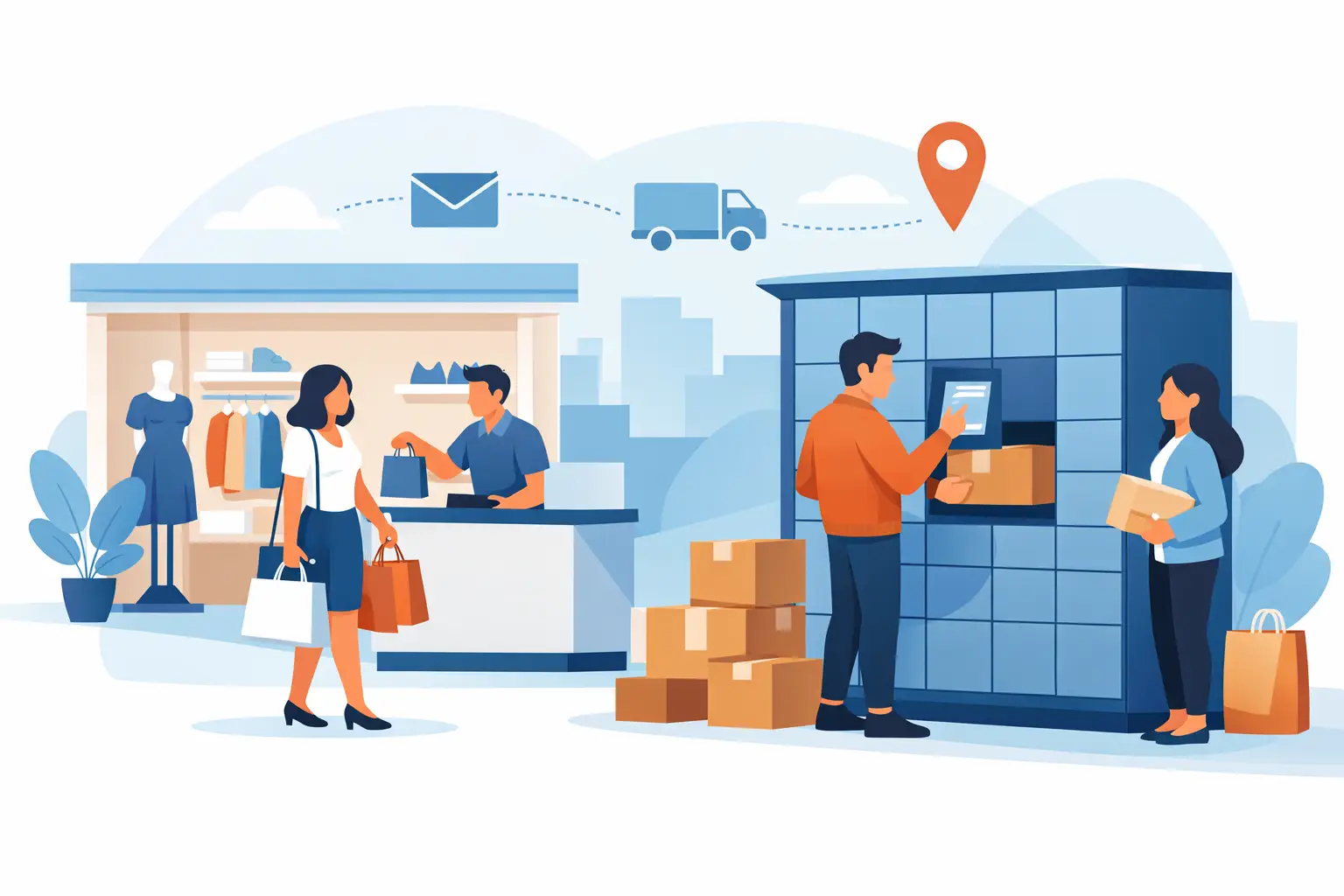
A missed delivery does more than inconvenience a customer. It creates repeat handling, extra support messages, delayed fulfillment, and pressure on both merchants and carriers. That is why the retail store parcel station model is gaining attention. It brings parcel services closer to where people already shop, work, and pass through every day, while giving businesses a more practical way to manage delivery and collection.
For online sellers, retail operators, and growing SMEs, this model is not just about convenience. It is about reducing failed handoffs, improving pickup flexibility, and turning underused retail space into a service point that supports daily commerce.
What is a retail store parcel station?
A retail store parcel station is a parcel drop-off and pickup point operated from an existing shop or outlet. Instead of relying only on home delivery, customers can send parcels, return items, or collect orders from a nearby retail location during operating hours.
That sounds simple, but the business value is broader than it first appears. A retail-based station can serve individual senders, online merchants, marketplace sellers, and local residents who want a more predictable collection point. For the shop owner, it adds a practical service layer that can bring more visits and more reasons for customers to walk in.
The model works especially well in areas where people want access, not complexity. A neighborhood store, service counter, or mixed-use retail point can function as a local logistics touchpoint without needing to operate like a full warehouse.
Why the retail store parcel station model is growing
Home delivery remains essential, but it does not solve every delivery problem. Customers may not be available to receive a parcel. Condo access may slow handover. Office deliveries may not fit business hours. Return handling can also be frustrating when the nearest courier branch is out of the way.
A retail store parcel station helps solve these issues by shifting the final handoff to a place that is easier to access. Customers gain more control over when they collect. Sellers reduce the chances of failed deliveries. Retailers gain a service that fits real neighborhood behavior.
This matters even more as e-commerce volume grows. More parcels mean more pressure on delivery networks and more customer expectations around speed, flexibility, and visibility. Retail parcel stations create a practical middle ground between door-to-door delivery and centralized courier branches.
A better fit for online sellers and SMEs
For merchants, logistics problems usually show up as customer complaints, delayed cash flow, and wasted time. Every unsuccessful delivery attempt increases cost somewhere. It may be on transport, support, repacking, or returns processing.
Using a retail parcel station can help smooth those pain points. Orders can be routed to a convenient pickup point, especially for buyers who prefer not to wait at home. Returns become easier to process because customers have a clear place to drop items off. Sellers that send parcels regularly can also benefit from having a nearby station for daily drop-off instead of building their schedule around distant courier counters.
There is also a branding benefit, even if it is indirect. Customers often judge a seller by delivery experience, not just product quality. If the parcel arrives at a location that is accessible and easy to collect from, the transaction feels more reliable. That can improve repeat purchase rates over time.
Still, this is not a one-size-fits-all setup. If your buyers are spread across areas with weak station coverage, home delivery may still do more of the heavy lifting. The strongest model is often a mixed one, where buyers can choose what suits them.
What store owners gain from adding parcel services
For retail operators, a parcel station can create two types of value. The first is direct service income. The second is foot traffic that may convert into additional store purchases.
That second benefit depends on the store type and customer profile. A convenience-focused outlet, printing shop, mini market, or neighborhood service counter may see better cross-selling opportunities than a highly specialized store. If someone enters to collect a parcel, they may also buy packaging, stationery, snacks, or related services. But this only works if the process is organized and does not disrupt the core retail business.
That is where execution matters. A parcel station should not create long queues, misplaced packages, or staff confusion. The setup has to match the store’s layout, staffing level, and daily traffic pattern. A small shop with limited storage may be fine for moderate parcel volume, but not for large seasonal surges. A larger outlet may be able to support more services, including printing, packing, or order handling.
For many operators, the appeal is not about becoming a logistics company overnight. It is about adding a practical, repeat-use service that strengthens the location’s role in the community.
The operational side that decides success
A retail store parcel station only works well when the backend is disciplined. Customers may see the counter, shelves, and pickup process, but the real test is whether parcels are tracked correctly, handed over securely, and managed without friction.
That starts with basic workflow design. Parcels need a clear intake process, accurate status updates, storage rules, and identity checks at collection. Staff should know what to do with missed pickups, damaged items, returns, and exceptions. If these details are treated casually, the station becomes a source of complaints instead of convenience.
Digital support is just as important. Retail-based logistics becomes more scalable when parcel status, handover records, and customer notifications are handled through a platform rather than manual guesswork. This is where an ecosystem approach makes a real difference. A network supported by operational tools, training, and standard processes gives retail partners a much better chance of running parcel services consistently.
How to tell if a retail store parcel station fits your business
If you are an online seller or SME, the right question is not whether parcel stations are good in general. It is whether they fit your order profile, customer behavior, and delivery coverage.
A retail station usually makes sense when your customers value flexible collection, your team needs a dependable drop-off point, or your support load is rising because of failed deliveries and return confusion. It can also help if your business needs access to related outlet-based services such as packaging, printing, or forwarding support.
If you are a store owner, the fit depends on location, staffing, and local demand. Are you in an area with regular walk-in traffic? Do your operating hours suit parcel collection patterns? Can you allocate storage space without affecting the customer experience? A parcel service can add value, but only when it fits the daily rhythm of the shop.
There is also the partnership question. Independent stores should look for a model that provides more than parcel volume. Training, system support, service structure, and clear operating standards matter. Without those, the burden lands on the outlet.
Why local access matters more than ever
Customers want delivery options, not delivery uncertainty. A nearby collection point can feel more dependable than waiting through shifting delivery windows or rescheduling missed attempts. For businesses, that local access can reduce friction across the whole parcel journey.
This is where a connected network of retail touchpoints has real commercial value. It supports senders, receivers, and outlets at the same time. It also reflects how people actually move through their day. They stop at neighborhood stores, service counters, and mixed-use retail locations far more often than they visit centralized logistics hubs.
That is one reason the retail store parcel station model is becoming more relevant across modern commerce. It meets customers where they already are, while giving merchants and operators a more practical way to move parcels.
For businesses looking at this model seriously, the goal should not be to add another service for the sake of it. The goal is to create a parcel experience that is easier to access, easier to manage, and better aligned with how customers buy and collect today. When done well, that is not just a convenience upgrade. It is a smarter operating model.